The Psychology of Minimalist Design in Living Spaces

In a world overflowing with choices and distractions, the appeal of minimalist design in living spaces has surged. This design philosophy, which emphasizes simplicity and functionality, resonates deeply with our psychological needs for clarity and peace. But why does minimalist design evoke such strong feelings? This blog post explores the psychology behind minimalist design, its benefits, and practical tips for incorporating it into your living spaces.
Understanding Minimalism
Minimalism is more than just a design trend; it is a lifestyle choice that promotes the idea of "less is more." At its core, minimalism encourages individuals to focus on what truly matters by eliminating excess. This can apply to physical possessions, visual clutter, and even mental distractions.
The Origins of Minimalism
Minimalism has roots in various art movements, particularly in the 20th century. Artists and designers sought to strip away unnecessary elements, focusing instead on the essence of their work. This philosophy has since permeated architecture, interior design, and even lifestyle choices.
Key Principles of Minimalist Design
Simplicity: The design should be straightforward and uncomplicated.
Functionality: Every item should serve a purpose.
Quality over Quantity: Invest in fewer, high-quality items rather than many low-quality ones.
Open Spaces: Emphasize spaciousness to create a sense of freedom and tranquility.
Neutral Color Palettes: Use calming colors to promote relaxation and focus.
The Psychological Benefits of Minimalist Design
Reduced Stress and Anxiety
Clutter can be overwhelming. Studies show that a disorganized environment can lead to increased stress and anxiety levels. By adopting a minimalist approach, you can create a serene atmosphere that fosters relaxation.
Visual Clarity: A clean, uncluttered space allows the mind to focus better, reducing cognitive overload.
Emotional Calm: Minimalist spaces often evoke feelings of peace and tranquility, which can help lower anxiety levels.
Enhanced Focus and Productivity
In a minimalist environment, distractions are minimized, allowing for improved concentration. This is particularly beneficial for those who work from home or engage in creative pursuits.
Clearer Mindset: A tidy space can lead to a clearer mindset, making it easier to tackle tasks.
Increased Creativity: With fewer distractions, individuals often find they can think more creatively.
Improved Well-Being
Living in a minimalist space can lead to a greater sense of well-being. By surrounding yourself with only what you love and need, you create an environment that reflects your values and priorities.
Mindful Living: Minimalism encourages mindfulness, prompting individuals to appreciate their surroundings and possessions.
Emotional Connection: Fewer items can lead to a deeper emotional connection with the things you choose to keep.
Practical Tips for Creating a Minimalist Living Space
Start with a Declutter
The first step in embracing minimalism is to declutter your space. Here are some effective strategies:
The 30-Day Minimalism Game: Challenge yourself to remove one item on the first day, two on the second, and so on for 30 days.
The Four-Box Method: Label four boxes as "Keep," "Donate," "Sell," and "Trash." Sort your belongings into these categories to make decisions easier.
Choose a Neutral Color Palette
A neutral color palette can enhance the minimalist aesthetic. Consider using shades of white, gray, beige, or soft pastels. This creates a calming environment and allows for easy integration of different design elements.
Invest in Quality Furniture
When selecting furniture, prioritize quality over quantity. Look for pieces that are both functional and aesthetically pleasing. For example, a well-crafted wooden table can serve as a focal point in your dining area while providing a durable surface for meals and gatherings.
Embrace Open Spaces
Maximize the feeling of space in your home by keeping furniture arrangements open and airy. Avoid overcrowding rooms with too many pieces. Instead, focus on a few key items that enhance the overall design.
Incorporate Natural Elements
Bringing nature indoors can enhance the minimalist aesthetic. Consider adding plants, natural wood finishes, or stone accents. These elements not only add visual interest but also promote a sense of calm and connection to the outdoors.
Minimalism in Different Rooms
Living Room
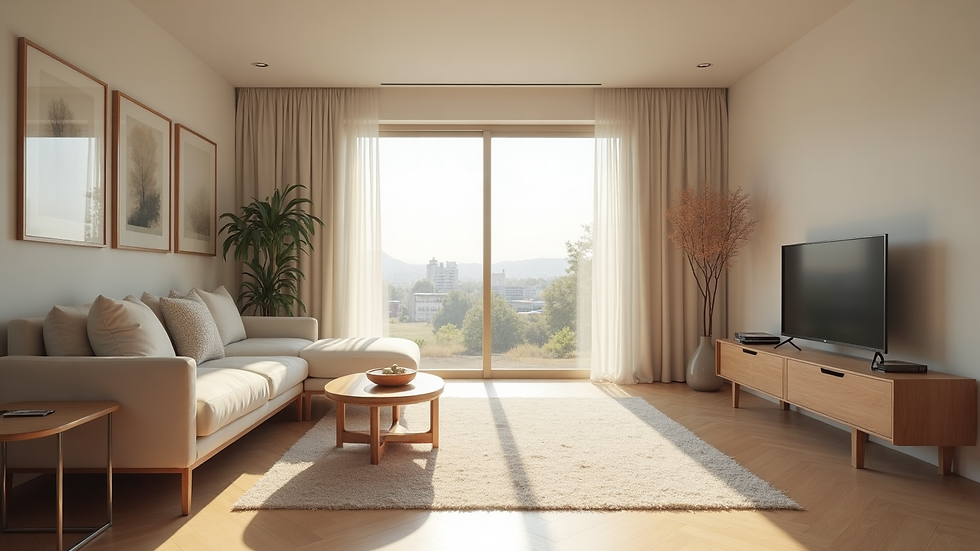
In the living room, focus on creating a welcoming yet uncluttered space. Choose a few statement pieces, such as a comfortable sofa and a unique coffee table. Use soft textiles to add warmth without overwhelming the senses.
Kitchen
A minimalist kitchen should prioritize functionality. Keep countertops clear and only display essential items. Use storage solutions that hide away clutter, such as cabinets and drawers, to maintain a clean look.
Bedroom
The bedroom should be a sanctuary for rest. Opt for a simple bed frame, soft bedding, and minimal decor. Consider using blackout curtains to enhance sleep quality and create a peaceful atmosphere.
Home Office
For a home office, choose a desk that suits your needs without taking up too much space. Keep only the essentials on your desk, such as a computer and a few office supplies. This will help maintain focus and productivity.
Overcoming Challenges in Minimalist Design
Emotional Attachment to Possessions
One of the biggest challenges in adopting a minimalist lifestyle is letting go of items that hold sentimental value. To overcome this, consider the following:
Reflect on Purpose: Ask yourself if the item serves a purpose or brings you joy. If not, it may be time to let it go.
Create a Memory Box: For items with sentimental value, consider creating a memory box where you can keep a few cherished pieces without cluttering your space.
Fear of Regret
Many people worry about regretting their decisions to declutter. To combat this fear:
Start Small: Begin with a single drawer or closet. This makes the process less overwhelming and allows for gradual progress.
Revisit Your Goals: Remind yourself of the benefits of minimalism and how it aligns with your values.
The Future of Minimalist Design
As society continues to grapple with consumerism and environmental concerns, the minimalist movement is likely to grow. More individuals are recognizing the importance of sustainable living and the impact of their choices on the planet.
Sustainable Minimalism
Sustainable minimalism combines the principles of minimalism with eco-friendly practices. This approach encourages individuals to make mindful purchases, focusing on quality and sustainability rather than quantity.
The Role of Technology
Technology can also play a role in minimalist design. Smart home devices can help streamline daily tasks, reducing clutter and enhancing efficiency. For example, a smart thermostat can optimize energy use, while smart lighting can create the perfect ambiance without the need for excessive decor.
Final Thoughts
Embracing minimalist design in your living spaces can lead to profound psychological benefits, including reduced stress, enhanced focus, and improved well-being. By simplifying your environment, you create a sanctuary that reflects your values and priorities.
As you embark on your minimalist journey, remember that it is not about depriving yourself but rather about making intentional choices that enrich your life. Start small, be mindful, and enjoy the transformation that comes with a simpler, more purposeful living space.
Take the first step today by decluttering one area of your home. You may be surprised at how liberating it feels to let go of the unnecessary and embrace the beauty of simplicity.
Yorumlar